Spanish knowledge creator narrative tips for learning best
"The architecture of a story is not merely a sequence of events, but a framework for understanding the world through a lens of structured curiosity."
Spanish knowledge creators use deep narrative structures from literary traditions to turn complex information into engaging digital experiences.
This approach helps viewers navigate dense topics by treating educational content as a cohesive journey rather than a list of isolated facts.
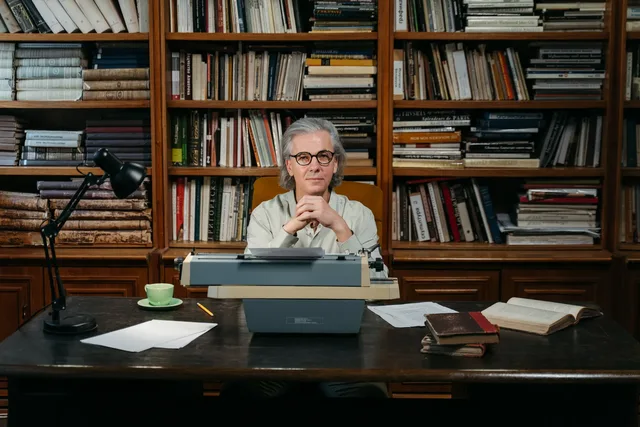
This guide explores how these creators bridge the gap between academic depth and digital entertainment, though the effectiveness depends on the viewer's existing familiarity with the subject matter.
* Integration of literary pacing in educational videos. * Transformation of raw data into character-driven narratives. * The role of tension and resolution in knowledge dissemination. * Structural parallels between classic fiction and modern essays.
How does literary influence on youtube shape Spanish creators?
At midnight in the quiet studio, the creator grips the cold microphone while reading a Spanish script that flows like a classic novel.
A creator sits in a dimly lit studio, adjusting a microphone while staring at a script that reads more like a novella than a lecture. They are not just presenting facts; they are building a world where every piece of data serves a specific narrative purpose.
This method of storytelling in humanistic media allows Spanish knowledge creators to maintain high engagement levels.
By adopting the pacing of traditional literature, these creators ensure that the audience remains invested in the "why" behind the information. They often use a protagonist-driven approach, where a historical figure or a scientific concept is treated as a character undergoing a transformation.
This creates a natural rhythm that prevents the cognitive fatigue often associated with standard educational formats.
The application of storytelling in humanistic media ensures that the viewer feels like a participant in a discovery rather than a passive recipient of a lecture. This technique helps bridge the gap between rigorous academic inquiry and the fast-paced consumption habits of digital audiences.
How can storytelling help me learn better? Spanish knowledge creator narrative
A researcher scrolls through a video, noticing how a complex philosophical debate is broken down into a series of dramatic confrontations. Instead of a dry recitation of theories, the creator presents the history of thought as a series of intellectual battles.
This use of narrative structure for learning helps the brain categorize information through emotional resonance and logical progression.

When information is presented within a structured story, the human brain can more easily anchor new concepts to existing mental models. The creator builds tension by posing an unanswered question, provides the context of the struggle, and then offers the resolution through factual evidence.
This cycle mimics the classic three-act structure found in professional writing.
Applying fiction to essays allows creators to use metaphorical language to explain abstract ideas. This makes the content more accessible to a broader audience without sacrificing the integrity of the underlying data.
How can creators use academic content design tips?
A writer types out a sequence of ideas, carefully selecting words that evoke a sense of wonder and urgency. They are following a specific blueprint to ensure their video retains its educational value while maximizing its entertainment potential.
Implementing academic content design tips requires a disciplined approach to scriptwriting and visual pacing.
To successfully implement these narrative strategies, follow these steps:
- Define the central conflict or the "unsolved mystery" that the video intends to address. 2. Map out the factual milestones that act as plot points to drive the progression of the argument. 3. Integrate visual metaphors that correspond to the literary themes being discussed.
After completing these steps, perform a final check to ensure that the narrative flourishes do not overshadow the factual accuracy of the content. I found that checking the balance between drama and data is the most critical part of the process.
What are the downsides of this method?
A student watches a highly stylized video on complex physics, feeling more captivated by the cinematic music than the actual equations. While the narrative is compelling, the focus on storytelling can sometimes obscure the technical nuances required for deep mastery.
The primary limitation occurs when the dramatic tension is prioritized over technical precision, potentially leading to a superficial understanding of the topic. If the "story" becomes too dominant, the educational objective may be lost in the pursuit of engagement.
Comparing narrative styles in content creation
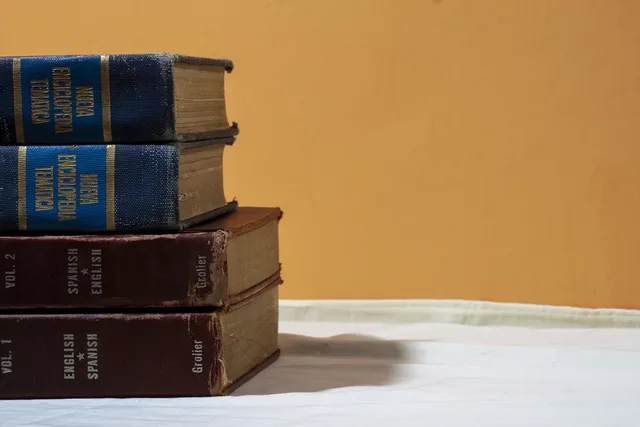
The following table compares the traditional lecture style with the narrative-driven approach used by leading Spanish creators.
| Feature | Traditional Lecture | Narrative-Driven Content |
|---|---|---|
| Primary Goal | Information Transfer | Contextual Understanding |
| Audience Role | Passive Listener | Active Participant |
- How does literary influence on youtube shape Spanish creators?
- What are the benefits of narrative structure for learning?
- How can creators use academic content design tips?
The subject here is Spanish knowledge creator narrative.
This part also covers Female author impact on video.
This part also covers Structuring knowledge for audience.
Female author impact on video
Related





Comments 0