Spain wildlife observation guide for hikers and students
This Spain wildlife observation guide helps travelers and nature enthusiasts identify animal behavior and habitats across various Spanish landscapes. You will learn how to navigate diverse ecosystems, what to look for during specific times of day, and how to respect local wildlife boundaries. This guide is intended for hikers, photographers, and students of ecology, though it does not provide specific GPS coordinates for rare species sightings.
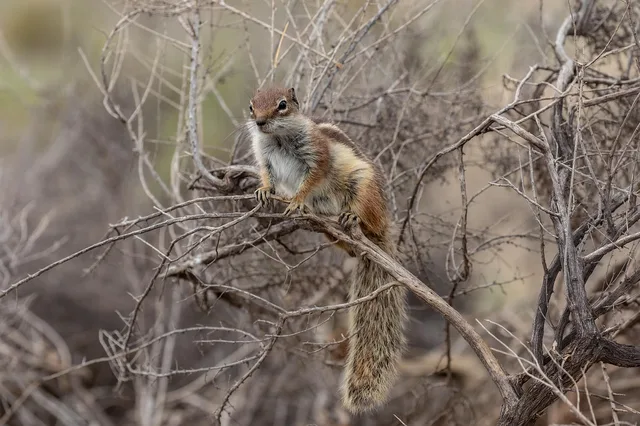
* Identify key habitats from the Pyrenees to the Mediterranean coast. * Understand seasonal movement and behavioral patterns. * Learn essential ethical observation techniques.
Where can I find wildlife habitats in Spain?
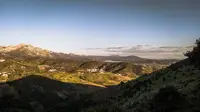
A hiker steps onto a dusty trail in the Sierra Nevada, feeling the dry heat of the afternoon sun against their skin. The vast expanse of scrubland stretches toward the horizon, offering a glimpse into various Spain wildlife habitats.
Spain's landscape is incredibly varied, ranging from the lush, green forests of the northern Cantabrian mountains to the arid, rocky terrains of the southern provinces, making it an ideal setting for a Spain wildlife observation guide.
Observing wildlife in Spain requires understanding these distinct zones, as a bird seen in a coastal marshland will behave very differently from a mammal in a high-altitude pine forest, making this an essential aspect of any Spain wildlife observation guide.
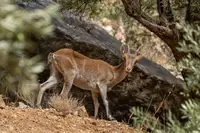
By studying Spanish animal behavior, visitors can predict where certain species might congregate. For example, the dense vegetation of the north provides cover for larger mammals, while the open plains of the center favor birds of prey.
How do I track Spanish animal behavior?
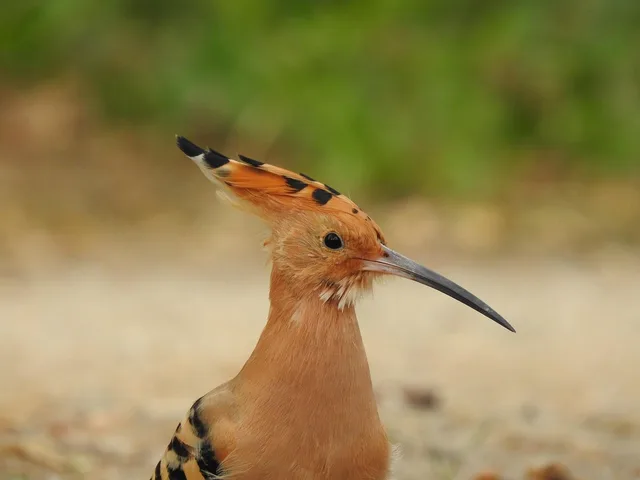
A photographer crouches low in the tall grass of a Doñana marsh, holding their breath as the morning mist clings to the reeds. Watching Spanish animal behavior requires patience and a deep understanding of the rhythm of the natural world.
To effectively observe animals, you must align your presence with their natural cycles. Most large mammals are most active during the crepuscular hours—dawn and dusk—when the light is soft and the temperature is manageable.
When you are observing Spain wildlife, silence is your most valuable tool. Movement should be slow and predictable to avoid triggering a flight response in the animals you are trying to study.
What are the key wildlife patterns in Spain?
A researcher sits quietly by a limestone outcrop, watching the shadows lengthen as the sun begins to dip below the mountain ridge. Recognizing Spain wildlife patterns is essential for a successful field study or nature walk.
Patterns often follow the availability of water and the changing seasons. In the summer months, many species migrate toward higher elevations or closer to permanent water sources to escape the intense heat.
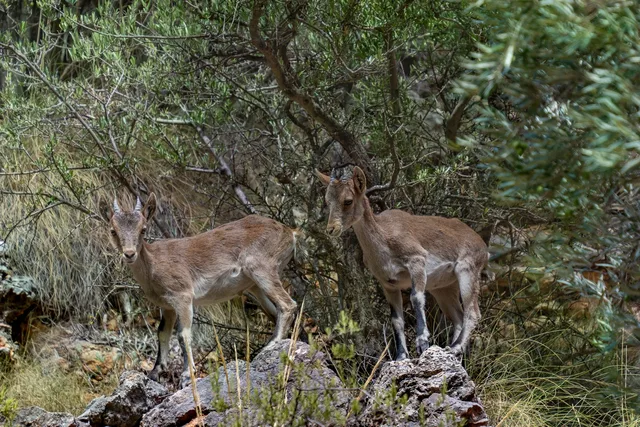
Understanding Spain wildlife ecology involves looking at the interconnectedness of these movements. A change in the local flora can trigger a shift in the movement of herbivores, which in turn dictates the hunting patterns of local predators.
How can I use this Spain nature wildlife study guide?
A student opens a field journal in a quiet clearing, preparing to document the various species encountered during a trek through the Mediterranean scrub. Following a structured approach ensures that your observations are both safe and productive.
- Prepare your gear by selecting binoculars with high light transmission and a camera with a long focal length to maintain distance. 2. Select a specific habitat zone, such as a riparian forest or a Mediterranean maquis, to focus your observations. 3. Maintain a fixed observation point for at least thirty minutes to allow the local environment to settle around your presence.
After completing these steps, perform a final check to ensure you have not left any traces of your presence in the environment. I found that sitting still for long periods allowed me to see much more than active walking ever did.
What are the limits of observing wildlife in Spain?
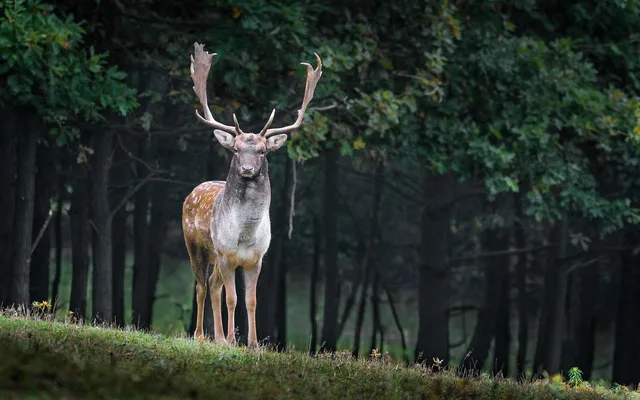
A traveler reaches a restricted area marked by a wooden sign near a protected nesting site, realizing that some zones are strictly off-limits. It is important to recognize that certain conditions limit the scope of observation.
Observation is not possible in highly protected core zones of national parks where human interference is strictly prohibited to protect breeding cycles. Additionally, extreme weather events or high tourist density in certain regions can significantly alter the natural behaviors you intend to study.
- Where can I find Spain wildlife habitats?
- How do I track Spanish animal behavior?
- What are the key Spain wildlife patterns?
Which ethical observation techniques should I use?
Ethical observation techniques involve maintaining a respectful distance and minimizing your physical impact on the environment. To follow these principles, you must prioritize the safety and natural behavior of the animals over your own desire for a close sighting.
When observing Spain wildlife, you should avoid any movement that could trigger a flight response. Using a camera with a long focal length allows you to capture images without encroaching on the animal's personal space.
This comparison between close-up proximity and long-distance observation highlights the importance of maintaining a buffer.
If you encounter a protected nesting site, you must treat the area as strictly off-limits. Entering these restricted zones can disrupt sensitive breeding cycles, which is a condition that should always be avoided by hikers and photographers.
Always check for signs or markers that indicate where human presence is prohibited.
Based on the retained excerpt mentioning FIFA: Spanish is one of FIFA's seven official languages, alongside English, French, German, Arabic, Portuguese and Russian, as established by amendments to the FIFA Statutes in 2022.




Comments 0