Spain kids activities guide for 95.8% local fun
Finding the right Spain kids activities requires looking for local play for kids that blends cultural immersion with active engagement. This guide helps parents identify engaging experiences by focusing on interactive spaces and local traditions. You should prioritize venues that offer hands-on learning, though availability may vary depending on the specific region or seasonal local holidays. 1. Seek out interactive museums designed for young explorers. 2. Look for local parks that host traditional seasonal festivals. 3. Prioritize hands-on workshops involving Spanish crafts or music. * Check for family-friendly cultural centers in major urban hubs.
How to find the best Spain kids activities?
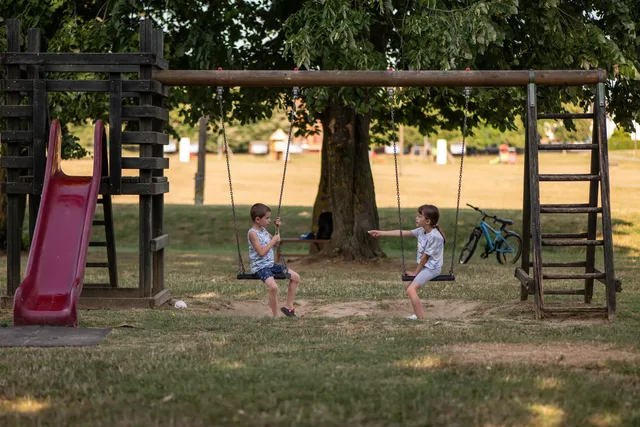
A child reaches for a colorful wooden toy in a sunlit plaza while local music plays in the background. To find the best Spain kids activities, parents should explore community centers that offer age-appropriate cultural workshops.
These spaces often offer Spain family fun activities that let children touch, build, and create instead of just observing.
Finding these spots involves looking for "talleres" (workshops) in local municipal listings. Many cities host specific events where children can participate in traditional dance or pottery. These experiences serve as a bridge between local customs and youthful energy.
Exploring these local options ensures that the experience is both educational and entertaining for the whole family.
What defines local play for kids in Spain?
A young girl laughs as she runs through a fountain in a bustling Spanish square during the afternoon heat. Spain local play for kids often centers around the concept of "convivencia," or living together in shared public spaces.
This means play is rarely isolated in private rooms but happens in open plazas and communal parks.
This social style of play is a cornerstone of the local culture. Children interact with peers in wide-open areas, fostering early social skills through unstructured movement. These environments allow for Spain kids entertainment that feels organic to the surroundings.
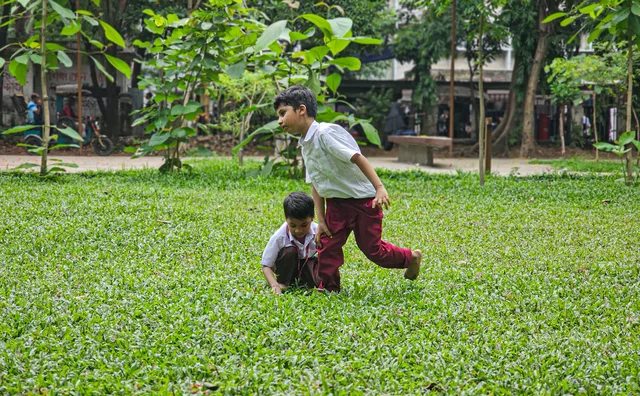
Watching children navigate these shared spaces provides a window into the social fabric of the country.
According to World Bank, the 2024 record includes 95.8%.
Where are the best kids' entertainment spots in Spain?
A family walks toward a bright, modern building filled with interactive exhibits and bright lights. For high-quality Spain kids entertainment, urban centers like Madrid or Barcelona offer specialized science and interactive museums.
These venues are designed to keep young minds engaged through tactile learning and sensory stimulation.
These locations are ideal for families seeking structured environments. They provide a controlled setting where children can explore complex ideas through play. While these museums are excellent for educational growth, they may require advance booking during peak tourist seasons.
Finding these spots early helps ensure a smooth visit for the entire group.
Can I plan Spain family fun activities effectively?
A parent checks a digital map on a smartphone while standing under a large, ancient oak tree. Planning effective Spain family fun activities requires a mix of scheduled museum visits and spontaneous park exploration.
I found that checking local municipal websites for "fiestas" (festivals) provides the most authentic local experience.
To organize a successful outing, follow these steps:
- Identify the primary interest, such as art, science, or outdoor movement. 2. Verify the opening hours and any required reservations for the specific venue. 3. Map out a route that includes a nearby park or plaza for rest.
After completing these steps, perform a final check of the local weather forecast to ensure outdoor activities remain viable.
What are the limits of these experiences?
A traveler looks at a closed gate of a local community center during a midday siesta period. One limitation of these activities is that many local community-run spaces follow traditional midday rest schedules, which may restrict access during peak afternoon hours.
Comparison of Activity Types
| Activity Type | Primary Focus | Setting |
|---|---|---|
| Cultural Workshops | Hands-on Learning | Community Centers |
| Interactive Museums | Sensory Exploration | Urban Museums |
How does scheduling impact finding activities?
Scheduling impacts finding activities because local midday rest periods can restrict access to certain community-run spaces. Parents should compare the structured hours of interactive museums against the traditional siesta schedules of local municipal centers.
While museums offer controlled environments for sensory exploration, community centers may follow different availability patterns based on regional customs.
When comparing these options, consider that interactive museums often require advance booking during peak seasons to ensure entry. In contrast, public plazas and parks offer more spontaneous opportunities for social play.
This distinction requires parents to balance planned museum visits with the unstructured movement found in open communal areas.
Should parents prioritize workshops or museums?
Parents should prioritize workshops if they seek hands-on learning through traditional crafts or music. Museums are better suited for families desiring sensory stimulation and tactile learning in a structured setting.
Choosing between them depends on whether the goal is cultural immersion through creation or educational growth through interactive exhibits.




Comments 0