How can one achieve creator recipe success?
"The art of the kitchen is not just about the final plate, but the structure of the knowledge behind it."
The process of developing food media strategy involves balancing tradition with modern techniques to engage a global audience. This guide explores how professional educators shape culinary curricula and how these methods translate to home cooking content.
Key takeaways include the importance of curriculum development, the influence of academic leadership, and the distinction between professional instruction and digital storytelling.
How does professional curriculum development shape food media strategy?
A professor adjusts the seasoning in a heavy pot while reviewing a syllabus. Developing a curriculum requires a deep understanding of both historical roots and contemporary techniques to ensure students grasp the essence of a cuisine.
In May 2012, Andrés was named dean of Spanish Studies at The International Culinary Center. During his tenure, he and Colman Andrews developed a curriculum in traditional and modern Spanish cuisine, which debuted in February 2013.
This structured approach to learning provides a foundation for how experts teach others.
Such rigorous academic work provides a blueprint for how creators approach authentic food portrayal in digital spaces. While a classroom setting focuses on formal mastery, the same principles of structured learning can inform the way professional knowledge is shared through screens.
- Identify core pedagogical objectives.
- Translate instructional goals into visual storytelling formats.
- Integrate feedback loops to refine content delivery.
How does leadership drive cooking video trends? Food creator home recipes A chef stands at the head of a long wooden table, directing a group of students through a complex preparation. Leadership in the culinary world often involves setting the standard for how a specific culture's food is taught and perceived globally.
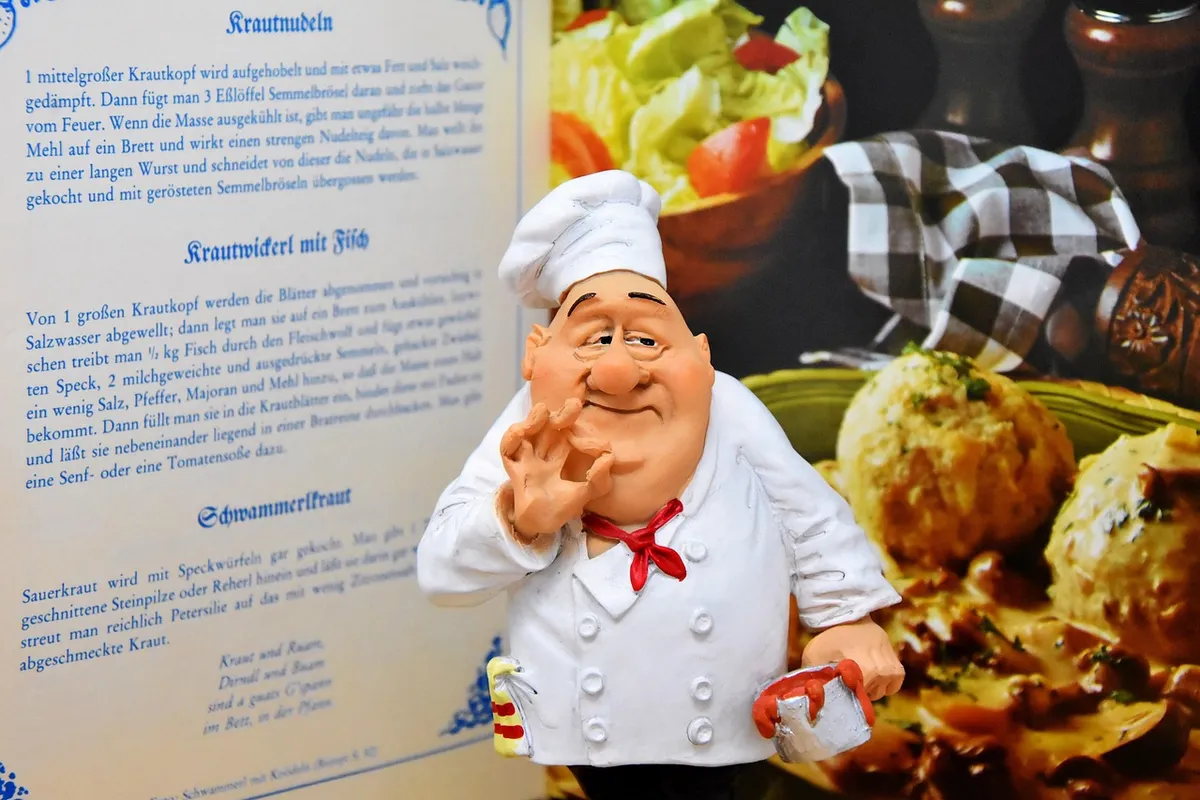
Professional roles, such as a dean of studies, allow individuals to shape the very definition of a cuisine for future generations. This influence extends beyond the classroom, setting the stage for how broader cooking video trends emerge as educators transition to public platforms.
When leaders establish a standard for excellence, they create a framework that followers often replicate. This transition from academic authority to media influence helps bridge the gap between professional kitchens and the general public.
In this sequence, the second step is the most extensive.
How can one achieve creator recipe success?
A creator adjusts the lighting over a cutting board before starting a new recipe. Achieving success in the digital food space requires more than just a good meal; it requires the ability to communicate complex techniques in an accessible way.
The transition from formal education to digital content often relies on the ability to simplify high-level skills without losing authenticity. Successful creators often use their background in professional instruction to provide more depth than a standard amateur cook.
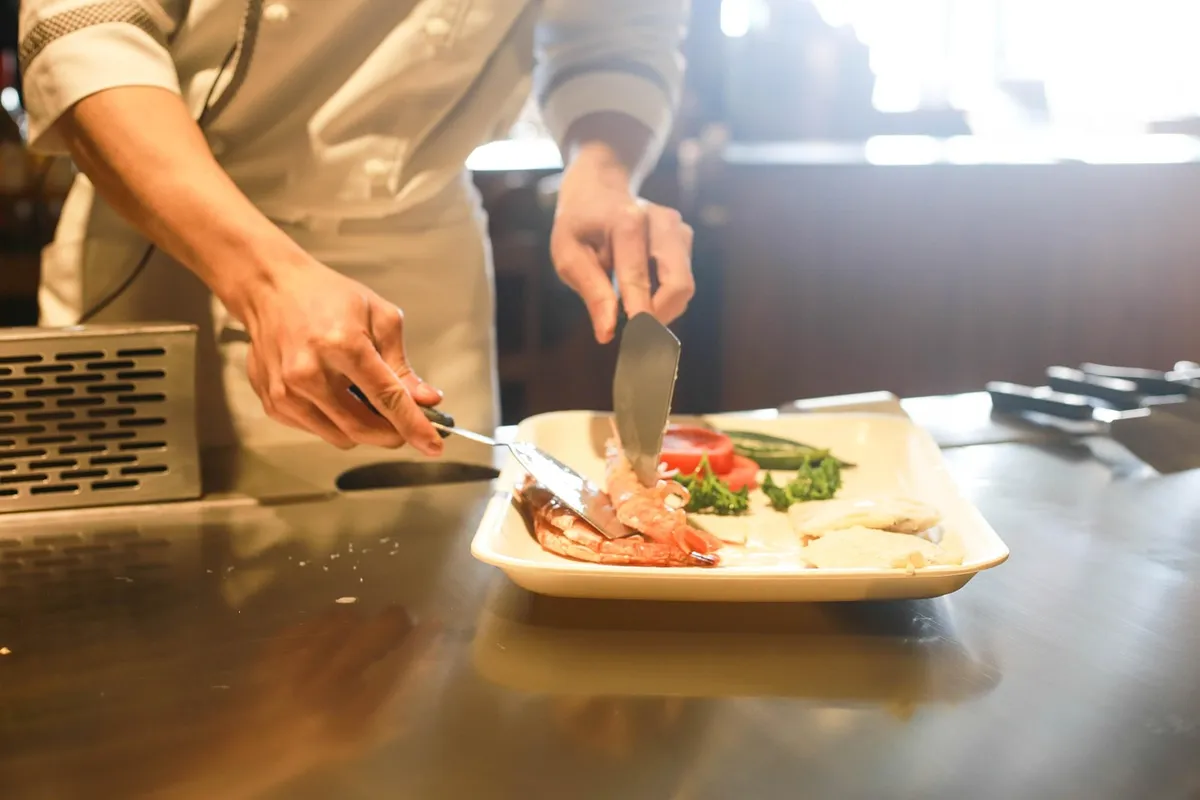
I remember watching how a single well-structured lesson could change a student's entire approach to a dish. This level of detail is what distinguishes a professional-grade tutorial from a simple meal demonstration.
What makes audience engagement tips work? A hand reaches out to adjust a camera angle while a simmering sauce bubbles in the background. Engaging an audience requires a mix of visual storytelling and the clear communication of culinary logic.
Building a connection with viewers often involves sharing the "why" behind a technique, much like a professor explains the science of a reaction. This educational element keeps viewers coming back for more than just a quick recipe.
By blending personality with practical instruction, creators can turn a casual viewer into a dedicated student. This strategy ensures that the content remains valuable long after the video ends.
Can we compare academic instruction to home cooking content?
A student takes notes in a leather-bound journal while a chef demonstrates a knife technique. Comparing formal education to digital content reveals the different ways culinary knowledge is packaged and consumed.
| Feature | Academic Curriculum | Digital Content |
|---|---|---|
| Primary Goal | Comprehensive mastery | Engagement and accessibility |
| Context | Structured classroom setting | Variable digital environments |
The table above illustrates the fundamental differences in intent and environment. While one focuses on deep immersion, the other focuses on quick, impactful learning.
What are the limitations of digital culinary instruction?
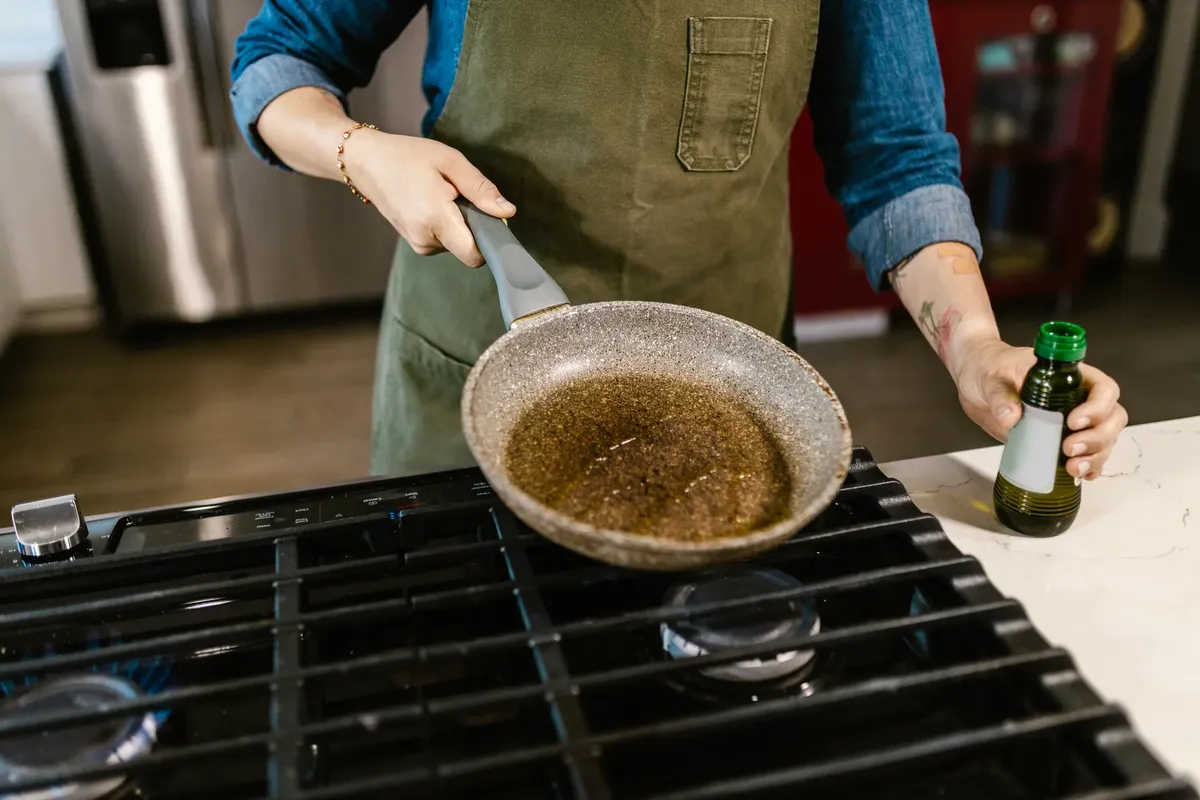
A person stares at a screen, trying to replicate a delicate sauce that has not turned out correctly. Relying solely on digital media can lead to a lack of hands-on guidance that is essential for mastering difficult techniques.
One limitation is that digital content cannot fully replicate the real-time physical feedback provided in a professional setting. While a curriculum can be studied, the physical nuances of texture and aroma are harder to capture through a screen.
The subject here is Food creator home recipes.
The same subject is also called Recipe making process.
Related
How does the kitchen translate to the digital plate?
The kitchen, in its entirety, informs the final plate, and the digital medium becomes a powerful extension of that initial structured knowledge. The journey from the academic rigor of the syllabus to the immediacy of the screen mirrors the journey from raw ingredient to finished dish.
This translation requires the creator to act as both teacher and storyteller, much like the professor who guides the student through a complex technique. The goal is to distill the comprehensive mastery achieved in the classroom into moments of compelling visual narrative for the wider audience.
The successful depiction of the kitchen process respects the integrity of the original technique while adapting its presentation for the digital viewing experience, ensuring the spirit of the original art survives the medium shift.
Wikipedia: José Andrés Based on the retained excerpt mentioning The International Culinary Center: In May 2012, Andrés was named dean of Spanish Studies at The International Culinary Center, where he and Colman Andrews developed a curriculum in traditional and modern Spanish cuisine, which debuted in February 2013.



Comments 0