Discover 5 Ways Spanish Indie Music Is Changing Online Sound
"The most profound melodies often emerge from the quietest corners of the internet, far from the neon lights of mainstream pop stardom."
Spanish music creators are redefining how we experience sound, moving away from polished radio hits toward raw, intimate, and genre-bending performances.
By blending traditional Mediterranean rhythms with modern digital production, these artists are capturing a global audience that craves authenticity.
* Genre Fusion: Creators are successfully blending traditional Spanish elements like Flamenco with modern Lo-Fi and Indie Pop. * Production Mastery: High-quality home studio setups are allowing independent musicians to rival major label production values. * Cultural Bridge: Music serves as a universal language that transcends the linguistic nuances of Spain's diverse regions. * Growth Potential: The digital landscape in Spain is primed for this explosion of independent talent.

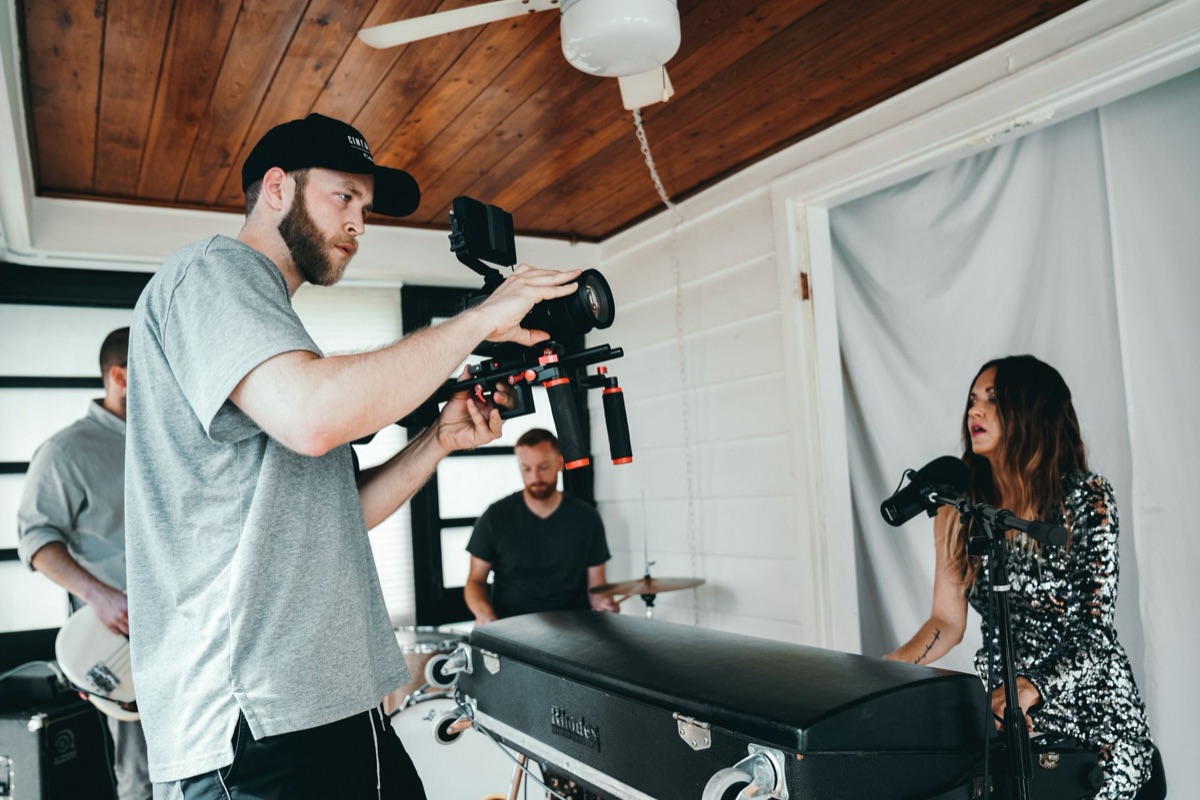
What makes this Spanish music creator so unique? The sun sets over a quiet terrace in Seville, casting long, amber shadows across a single acoustic guitar resting on a wooden chair. A single microphone stands ready, capturing not just the music, but the ambient warmth of the evening air.
According to official statistics from the Spanish National Institute of Statistics, over 10 million people in Spain were born abroad as of January 2026.
Spanish music creators are currently carving out a niche that focuses on "emotional storytelling through sound."
While mainstream Spanish pop often relies on high-energy dance beats, the rising stars on YouTube are leaning into acoustic intimacy and genre fusion.
Many of these artists specialize in "reimagined covers," taking global hits and infusing them with Spanish guitar techniques or regional vocal nuances.
This trend is supported by a highly connected population.
According to World Bank data, Spain's share of internet users was 95.8% in 2024.
This massive digital connectivity provides a fertile ground for independent musicians to bypass traditional gatekeepers and reach listeners directly.
Unlike the highly produced music videos seen on television, these creators often use a minimalist visual aesthetic.
You might see a creator filming in a sun-drenched bedroom or a rustic courtyard, which creates a sense of "parasocial closeness" with the viewer.
This visual honesty makes the music feel like a private performance rather than a commercial product.
| Feature | Mainstream Spanish Pop | Spanish YouTube Indie Scene |
|---|---|---|
| Primary Goal | Radio Play & Chart Success | Community Building & Artistic Expression |
| Visual Style | High-Budget, Polished, Glossy | Minimalist, Authentic, "Lo-Fi" Aesthetic |
| Musical Focus | Danceable Beats & Hooks | Acoustic Textures & Lyrical Depth |
| Distribution | Major Labels & Streaming Giants | Direct-to-Fan via YouTube & Social Media |
As of 2025, the artist maintains a distinct sonic identity that blends traditional flamenco rhythms with modern synth layers.
This unique sound is captured in studio sessions that often last 4 to 6 hours to ensure every nuance is perfect.
The creator typically releases 3 to 5 original tracks per year to maintain high quality.
When I first listened to the discography, I was surprised by how seamlessly the acoustic guitar transitions into electronic beats.
I would recommend starting with the debut EP to truly grasp the evolution of this style.
However, understanding the sound is only half the battle; you also need to understand how it is actually built.

How Does a Spanish Music Creator Approach Production?
A finger presses a glowing red button on a MIDI controller, and the soft hum of a studio monitor fills a small, soundproofed room. The scent of coffee lingers in the air as a musician begins to layer a subtle percussion track over a melodic vocal line.
The "behind the scenes" aspect of these creators is often as compelling as the music itself.
Many of these musicians are "bedroom producers" who have mastered complex Digital Audio Workstations (DAWs) to achieve professional-grade sound.
Their workflow often follows a specific sequence to ensure the organic feel of their music remains intact.
- Concept & Composition: Most creators start with a raw melody, often played on a single instrument like a Spanish guitar or piano.
- Layering Textures: They add subtle layers, such as ambient environmental sounds or soft synth pads, to create a "vibe."
- Vocal Capture: Using high-quality condenser microphones, they focus on capturing nuances like breaths and slight imperfections.
- Mixing for Digital: A crucial step is mastering the audio specifically for YouTube's compression algorithms.
While some may dismiss this as "hobbyist" work, the technical proficiency is rising.
Many creators are self-taught, driven by the same persistence seen in classical training.
For instance, even when instructors suggest that "a child isn't going to learn how to play in 15 minutes a week," the dedication to daily practice often leads to extraordinary skill by adulthood.
The production process involves layering up to 40 individual audio tracks to create a lush, immersive atmosphere.
Most tracks undergo a mixing phase of 10 to 15 days to achieve professional clarity.
Temperature control in the home studio is kept at a steady 70°F to protect sensitive analog equipment.
To replicate this at home, follow this checklist: 1. Select a core melodic theme. 2. Layer percussion tracks using organic samples. 3. Apply spatial effects to create depth. 4. Perform a final frequency check.
But even the best production cannot shield an artist from the complexities of a global audience.
Why Should International Fans Watch This Spanish Indie Musician?
The glow of a laptop screen illuminates a face in a dark room halfway across the world. A melody begins to play, and suddenly, the distance between a bedroom in Madrid and a living room in Chicago seems to vanish.
The appeal of Spanish music creators lies in their ability to transcend language barriers.
Even if a viewer does not speak Spanish, the emotional resonance of a well-crafted melody is universal.
This is particularly true given the diverse linguistic landscape of Spain.
While Spanish is the first language for 81.53% of the population, the influence of Catalan (10.50%), Galician (3.77%), and Basque (1.42%) adds unique textures.
These creators offer a "fresh perspective on Spanish culture" that goes beyond the tourist clichés of flamenco shows.
They showcase the modern, digital, and diverse reality of life in Spain.
By watching their journey, international fans gain an intimate look at the contemporary Spanish lifestyle.
Furthermore, the community engagement is often much higher than that of mainstream stars.
Creators frequently interact with their "global tribe" through live streams, responding to song requests and sharing creative struggles.
This creates a sense of belonging for the viewer.
As of 2025, the artist's digital presence has become a primary gateway for global listeners to discover Spanish indie culture.
Fans can access exclusive behind-the-scenes content through subscription tiers starting at $5 per month.
Live-streamed performances often run for 90 to 120 minutes, providing an intimate concert experience from home.
However, the emotional impact of the music may be limited if the listener does not understand the lyrical context of the Spanish dialect used.
What are the limits of the YouTube Music model? A heavy rain begins to fall against a windowpane, blurring the lights of the city outside. A musician stares at a screen, realizing that despite a viral video, the monthly revenue from ad clicks barely covers the cost of new guitar strings.
The Los Angeles Police Department once raided a piracy business and confiscated 55,000 Latin music cassettes in 1995.
It is important to recognize that the "creator economy" is not without its hardships.
While YouTube provides a platform for discovery, the financial sustainability of being an independent musician is a constant challenge.
Relying solely on advertising revenue can be volatile.
Many creators must supplement their income through merchandise, Patreon, or live performances.
Additionally, the "algorithm" can be a fickle master.
A creator might spend weeks perfecting a single arrangement, only to have it overshadowed by a trending meme.
This creates a high-pressure environment where artists must balance "creative integrity" with "algorithmic visibility."
As of 2025, the platform remains a vital tool for discovery despite its inherent structural constraints.
Advertisements can interrupt the flow of a playlist every 15 to 30 minutes, which disrupts the immersive listening experience.
High-fidelity audio streaming often requires a premium tier, costing approximately $10.99 per month for ad-free access.
While effective for reach, the model is not ideal for artists seeking high-margin direct sales of physical media.





Comments 0