Spain wildlife observation guide to track animals
This Spain wildlife observation guide helps travelers and nature enthusiasts identify animal behavior and habitats across the Iberian Peninsula. By understanding regional ecosystems, you can prepare for encounters with diverse species ranging from mountain predators to coastal birds. This guide covers habitat identification, seasonal patterns, and observation ethics, though it is limited to terrestrial and avian species in common Spanish territories.
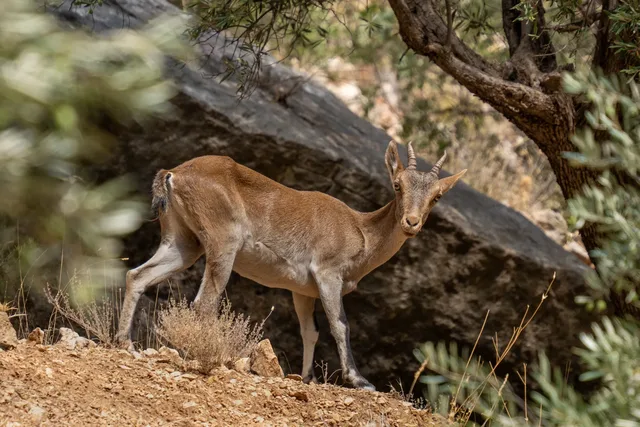
* Identify key habitats like the Sierra Nevada or Doñana. * Recognize seasonal movement patterns of local fauna. * Follow ethical observation distance protocols. * Prepare for varied terrain and weather conditions.
Where can I find the best wildlife in Spain?
At dawn, I trek through the humid forests of northern Spain while feeling the damp mist on my skin.
A hiker stands on a rocky ridge in the Pyrenees, scanning the valley below for any movement as part of a Spain wildlife observation guide. Finding the right location is the first step in any successful wildlife observation guide in Spain.
Wildlife habitats in Spain vary significantly depending on the region's latitude and altitude. In the north, lush Atlantic forests provide cover for larger mammals, while the southern wetlands offer sanctuary for migratory birds.
The dry, scrubland environments in central Spain serve as essential corridors for smaller reptiles and mammals.
Observing Spain wildlife requires understanding these distinct zones. You might find yourself in a dense forest looking for deer or on a sun-drenched plain searching for raptors. Each ecosystem dictates the types of Spanish animal behavior you will witness during your trip.
How can I track Spanish animal behavior?
A naturalist sits quietly in a blind, watching the light change over a dusty plain. To master Spanish animal behavior, one must learn to read subtle signs in the landscape.
Tracking requires patience and an eye for detail, such as footprints in soft mud or disturbed vegetation. Many species follow strict diurnal or nocturnal schedules, meaning your timing must align with their activity peaks.
For instance, many predators are most active during the twilight hours of dawn and dusk.
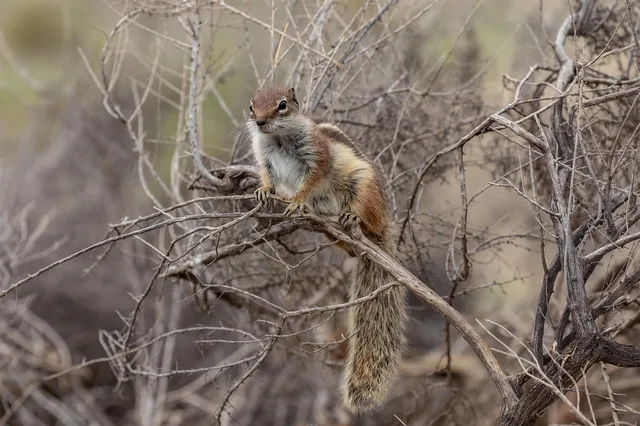
When studying Spain nature wildlife study patterns, it is helpful to note how animals react to human presence. Most wild animals in these regions will flee if a person approaches too quickly or makes loud noises.
I once spent an entire afternoon watching a single hawk circle a thermal, learning how wind currents dictate its flight.
Spain Wildlife Observation Guide
A photographer adjusts the lens of a long-range camera, breathing softly to avoid detection. Following a structured approach ensures both your safety and the well-being of the animals.
- Research the specific species and their known habitats in your target region before departing. 2. Pack essential gear, including high-magnification binoculars, neutral-colored clothing, and a reliable field guide. 3. Maintain a respectful distance by using long-range optics rather than approaching the animal directly.
After completing these steps, always perform a final check of your surroundings to ensure you are not blocking an animal's path to water or shelter. This methodical preparation is a core part of any Spain wildlife ecology study.
Can I use specific gear for Spain wildlife ecology?
A researcher checks the battery levels on a digital recorder while standing near a quiet stream. Using the right tools makes a significant difference in the quality of your observations.
| Gear Type | Primary Use | Benefit |
|---|---|---|
| Binoculars | Visual identification | Maintains safe distance |
| Field Guides | Species recognition | Accurate documentation |
I find that using high-quality binoculars is the most effective way to observe Spanish animal habitats without causing distress. Having a physical field guide also helps when digital devices fail in remote mountain areas.
What are the limitations of wildlife observation?
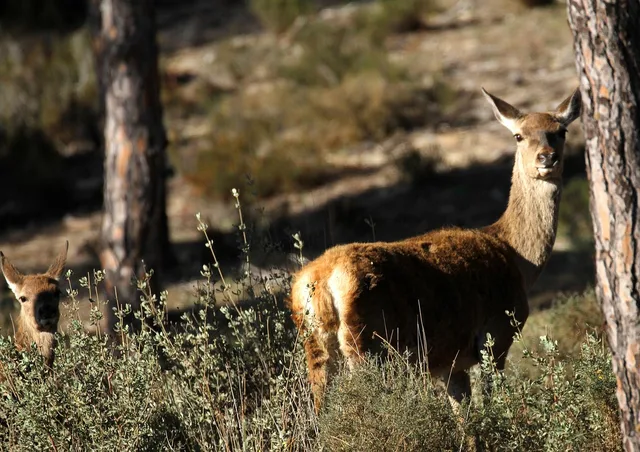
A traveler looks at a map, realizing the trail ends before reaching the deep canyon. Even with the best preparation, certain conditions can restrict your ability to see wildlife.
Observing Spain wildlife is heavily influenced by weather and seasonal migrations. For example, during extreme heat waves in the south, many animals remain hidden in deep shade to conserve moisture.
Additionally, certain protected areas may have restricted access during breeding seasons to prevent human interference.
- Where are the best Spain wildlife habitats?
- How can I track Spanish animal behavior?
- What are the essential steps for observing Spain wildlife?
How should I prepare for varied Spain wildlife conditions?
Preparation involves accounting for the diverse terrain and weather conditions found across the Iberian Peninsula. You must adjust your approach based on whether you are navigating rocky mountain ridges or coastal wetlands.
When preparing for your Spain wildlife observation guide, consider the specific terrain of your chosen region. Mountainous areas like the Pyrenees require different gear and movement strategies than the flat, dusty plains of the south.
Weather conditions also dictate your observation success. High temperatures in southern regions may force animals into shade, while the lush northern forests might require different visibility strategies.
Always check local weather patterns to ensure your timing aligns with animal activity peaks and avoids extreme environmental conditions.
Based on the retained excerpt mentioning FIFA: Spanish is one of FIFA's seven official languages, alongside English, French, German, Arabic, Portuguese and Russian, as established by amendments to the FIFA Statutes in 2022.




Comments 0