How does a creator balance history and fiction?
"The channel's Nostradamus series was largely fiction and lurid nonsense."
This analysis examines how creators handle historical truth versus entertainment. We explore programming schedules, linguistic variety, and the distinction between factual history and dramatized fiction.
* Distinguishing historical fact from "lurid nonsense" * Understanding programming volume and variety * The role of multilingual content in educational initiatives * A limitation regarding the accuracy of dramatized series
How does a creator balance history and fiction?
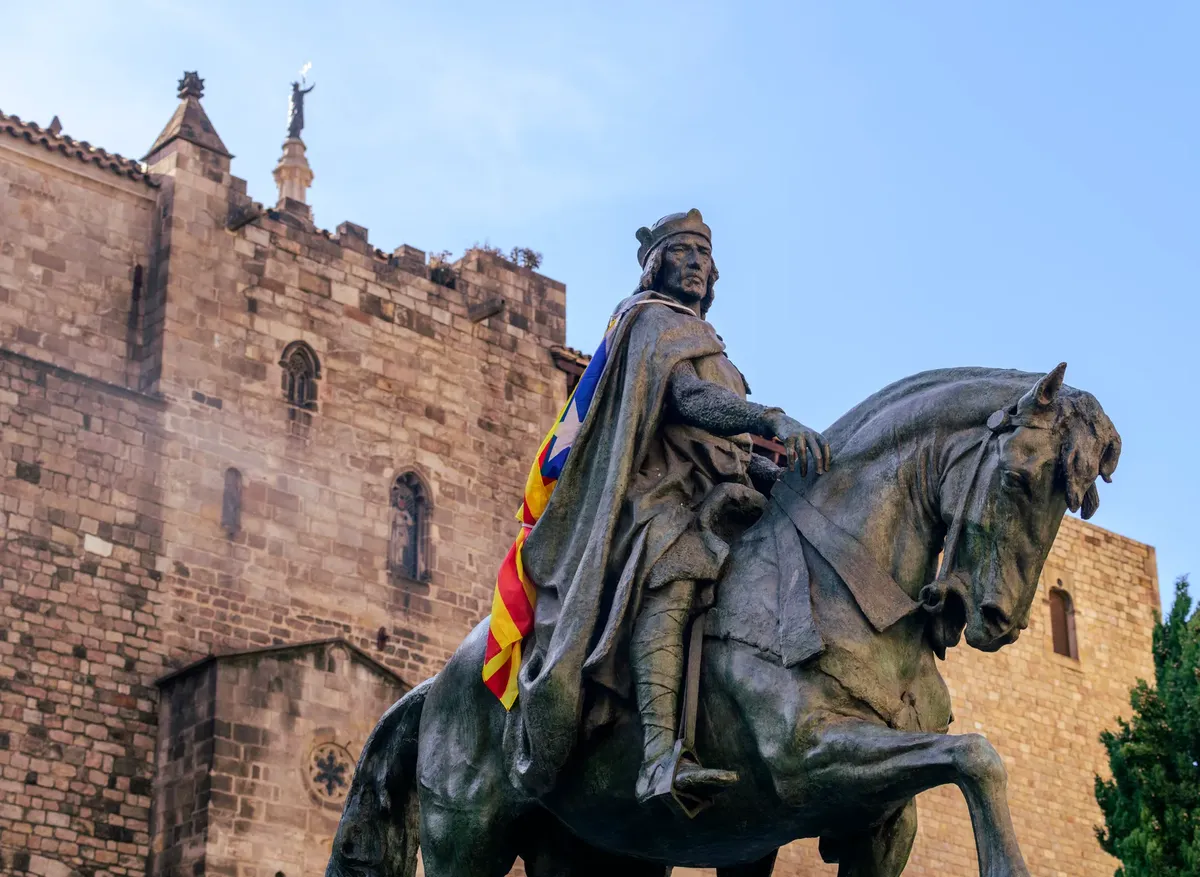
A creator sits at a desk, scrolling through archival footage while deciding which dramatic elements to emphasize. This tension between truth and storytelling defines much of modern historical media.
In his book *2012: It's Not the End of the World*, Peter Lemesurier describes the channel's Nostradamus series, in which he was invited to participate, as "largely fiction" and "lurid nonsense." This perspective highlights the danger of prioritizing sensationalism over historical accuracy.
When creators lean too heavily into speculative narratives, they risk blurring the lines for their audience.
The quest for a Spanish history deep dive often requires navigating these murky waters. Creators must decide if they are documenting reality or crafting a narrative. This balance is essential for maintaining credibility with an audience seeking genuine insight.
- Research the fundamental historical facts.
- Identify areas where creative license can enhance the narrative.
- Verify that fictional elements do not contradict core historical truths.
What kind of programming volume can viewers expect? Spanish history deep dive
A technician adjusts the broadcast feed as a massive library of content prepares for scheduled airtime. The sheer volume of historical content can be overwhelming for both producers and viewers.

In 1997, Salon.com's Mark Schone wrote in an article called "All Hitler, all the time" that the History Channel "airs as many as 40 hours of World War II programming weekly, and sometimes as many as 12 hours in a single day." Such heavy rotation shows how specific eras can dominate a broadcast schedule.
This density suggests that Spain past explained content could easily become specialized. When a single topic occupies such significant airtime, it shapes the viewer's perception of that period. Maintaining a diverse range of topics is a constant challenge for any historical network.
In this sequence, the second step is the most extensive.
How do language and accessibility affect content?
A producer translates a script to ensure the message reaches a global audience through different linguistic channels. Language serves as both a tool for connection and a medium for educational outreach.
On launch, History International occasionally featured shows in languages other than English, such as French or Spanish for use with the National Cable & Telecommunications Association's Cable in the Classroom initiative.
This shows how media can be tailored for specific educational needs across different regions.
Providing Hispania era facts in multiple languages allows for broader engagement. This approach ensures that historical knowledge is not limited by a single linguistic barrier. It also supports classroom environments where diverse student populations require accessible materials.
How can viewers identify dramatized content?
A viewer watches a screen, questioning if the reenactment they are seeing is based on actual records or creative license. Identifying the source of information is a vital skill for the modern consumer.
The claim had first been broadcast on the History Channel program *Christmas Unwrapped – The History of Christmas* before being subsequently picked up by the American Civil Liberties Union's website on the "Origins of Christmas" and by the Comedy Central series *The Daily Show*.
This illustrates how a single claim can travel from a specialized program to various digital and comedic platforms.
Understanding the path of information helps in evaluating its reliability. When a story moves from a historical program to a comedy series, the context changes significantly. Peninsula history now requires viewers to be skeptical of how facts are repackaged for different audiences.
What are the steps to evaluate historical media?
A researcher compares a modern video edit to an original document to check for accuracy. Following a structured approach helps in distinguishing between entertainment and education.
- Verify the original source of the claim to see if it originated in a dramatized or documentary setting. 2. Check if the content was produced for educational initiatives or purely for entertainment. 3. Cross-reference the claims with established academic or institutional records. 4. Perform a final check to ensure the narrative has not been distorted for sensationalism.

I once watched a series where the visual effects were so heavy that the historical context felt entirely lost. This experience taught me to look for the underlying facts before accepting the visual spectacle.
A limitation exists when analyzing content that was specifically designed for entertainment, as these programs may prioritize engagement over strict adherence to the historical record.
The same subject is also called Old Spain matters.
This part also covers Key turning points Spain.
This part also covers Era summaries Spain.
This part also covers Past events explained.
Key turning points Spain
Related
- Spanish music creator truth: Guide to live performance
- Edu creators content value: Why watch online learning
How does the channel's Nostradamus series compare to other content?
The channel's Nostradamus series, while heavily criticized, existed alongside programming that aimed for educational depth. This contrast underscores the varied approaches to historical portrayal found across the network.
The comparison between the series and other offerings reveals the spectrum of quality control in historical broadcasting. While the series leaned into speculative fiction, other segments likely aimed for a more grounded presentation of events.
This spectrum demonstrates that the network offered content ranging from highly dramatized entertainment to material intended for serious study. The audience's ability to differentiate between these styles was crucial for a balanced viewing experience.
What is the function of multilingual broadcasts?
The function of multilingual broadcasts is to broaden the educational reach of the channel's programming. This inclusion allows for engagement beyond a single linguistic group.
The use of French or Spanish broadcasts served the specific educational needs of certain regional cable providers. This tailoring makes the content accessible to diverse student populations needing materials in their native tongue.
This approach supports the idea that history education should transcend language barriers to achieve maximum impact. The channel used these broadcasts to fulfill diverse outreach mandates.




Comments 0