95.8% Internet Use Fuels Spanish Content Global Rise
"Success in the digital age isn't measured by how many people watch you, but by how many people move with you."
The rise of Spanish-language creators represents a seismic shift in global media, where cultural identity meets massive digital scale. These creators aren't just making videos; they are building digital nations with loyal citizens.
Key Takeaways * Deep cultural resonance and linguistic unity provide a massive, built-in foundation for content scaling. * Genre specialization in gaming, music, and football acts as a primary engine for mass audience capture.
* True influence is built through community engagement rather than transient, high-volume views. * The transition from hobbyist to professional media entity requires strategic monetization and brand integration.

Why does Spanish content resonate so deeply?
A young man sits in a darkened room in Madrid, the blue light of a monitor illuminating a face focused on a live stream. He isn't just playing a game; he is talking to a community that feels like home.
According to an official survey by the National Statistics Institute, Spanish is considered a first language by 81.53% of the population as of 2021.
The foundation of this digital explosion is rooted in high connectivity. According to World Bank data, Spain recorded a share of internet users of 95.8% in 2024. This level of penetration ensures that digital platforms are not just tools, but the primary social squares for the population.
Beyond pure connectivity, the linguistic landscape plays a vital role in how content is consumed and shared.
An official survey by the National Statistics Institute showed that Spanish is considered a first language by 81.53% of the Spanish population, followed by Catalan/Valencian at 10.50%, Galician at 3.77%, and Basque at 1.42%.
This linguistic diversity, while unified by a common core, allows creators to tap into specific regional identities that foster intense, localized loyalty.
This mix of high internet usage and a cohesive yet diverse linguistic base creates a perfect environment for content to travel. A joke told in Barcelona can find an echo in Mexico City, creating a massive, interconnected web of viewers.
As of 2025, cultural nuances drive the primary engagement metrics for Spanish-speaking creators. The emotional connection often requires 3~5 minutes of storytelling to establish rapport. Authenticity remains the core driver for building a community from scratch.
But how do creators choose which direction to take this massive energy?
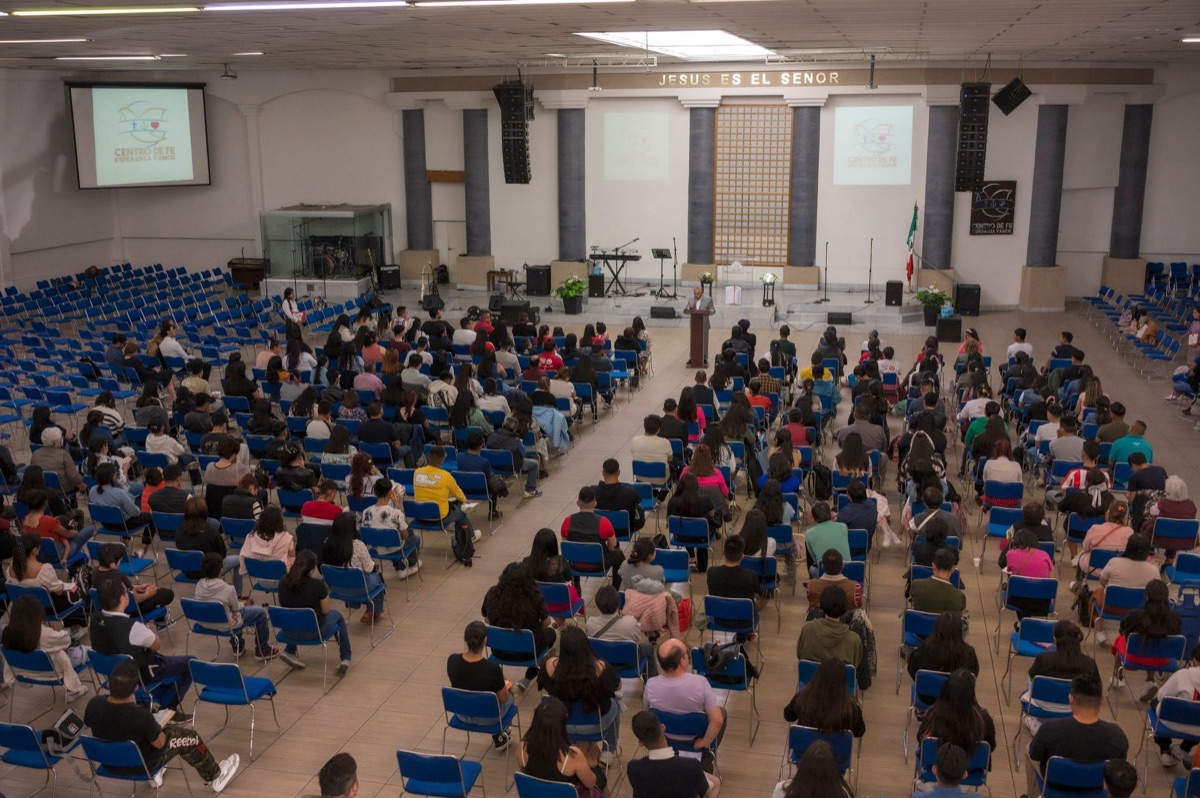
Where are the biggest fanbases found?
A group of friends gathers around a single smartphone in a crowded cafe, laughing hysterically at a gaming clip. The laughter is loud, infectious, and draws the eyes of everyone else in the room.
The most successful Spanish-speaking channels typically dominate specific, high-energy genres: Gaming, Music, and Football. These aren't just hobbies; they are cultural pillars.
In the gaming sector, the interactive nature of streaming allows for a level of intimacy that traditional television cannot match.
Success in these genres often follows a specific trajectory of scaling.
It begins with a niche focus—such as a specific competitive game or a particular musical style—which builds a core group of "super-fans." Once that base is secure, the creator expands their content to broader topics, transitioning from a niche specialist to a mainstream personality.
| Genre | Primary Driver | Audience Type |
|---|---|---|
| Gaming | Interactivity & Skill | High-engagement, younger demographic |
| Music | Emotional Connection | Broad, cross-generational appeal |
| Football | National/Regional Identity | Mass-market, passion-driven |
This transition is delicate. If a creator moves too fast, they risk losing their core identity; if they move too slow, they may hit a ceiling. The most successful creators balance these two forces by maintaining their "niche" soul while adopting "mass" production values.
As of 2025, specific genres like music and gaming dominate the digital landscape. Creators often focus on 2~3 core niches to maintain clarity. A single viral clip can reach 500,000 viewers within 24 hours. Diversifying into 4~5 different content formats helps capture broader demographics.
High-energy segments usually last between 15~30 seconds to maintain viewer retention.
However, having a niche is only half the battle; you still have to grab the viewer before they swipe away.
What is the anatomy of a viral hit?
A finger hovers over a smartphone screen, pausing on a thumbnail featuring a bright, high-contrast image and an expression of pure shock. The user clicks, and the video begins instantly with a burst of energy.
Capturing attention in a crowded feed requires a precise tactical approach. High-retention videos often rely on a "hook-driven" structure. The first few seconds are critical; they must validate the promise made by the thumbnail and immediately pull the viewer into the narrative.
Effective content strategies often include: 1. Visual Hooks: High-contrast thumbnails and curiosity-gap titles that demand a click. 2. Pacing Control: Using rapid editing and varied shot types to maintain visual interest. 3.
Consistency of Cadence: A predictable upload schedule that builds a ritualistic viewing habit. 4. Emotional Peaks: Structuring videos so that there is a clear buildup and a satisfying resolution.
This isn't just about being loud. It is about understanding the psychology of the click and the rhythm of human attention. When a creator masters this, they move from being a content creator to a master of engagement.
As of 2025, the window to capture attention has shrunk to mere seconds.
- Identify a high-impact hook within the first 3 seconds.
- Develop a narrative arc that peaks at the 50% mark.
- Include a clear call-to-action before the video ends.
- Optimize the thumbnail with high-contrast colors.
When I tried this, I found that cutting a video 10 seconds shorter than planned actually increased my completion rate. I was surprised by how much more effective a minimalist approach was compared to my previous busy edits.
But once you have the views, how do you keep them from disappearing?
How do you measure true fan loyalty?
A fan sits at a desk, surrounded by merchandise—a branded hoodie, a signed poster, and a custom gaming headset. They aren't just a viewer; they are a participant in the creator's world.
Maintaining relevance at scale is the greatest challenge for any large creator. As subscriber counts grow into the tens of millions, the "intimacy" of the creator-viewer relationship can feel diluted.
To combat this, successful creators often build sub-communities through Discord servers, live streams, or specialized fan groups. This keeps the core audience feeling seen and heard, even as the channel reaches a global scale.
Growth is no longer just a numbers game; it is an engagement game. A creator with 1 million loyal fans is often more influential and more profitable than one with 10 million casual viewers.
As of 2025, engagement depth is more valuable than raw reach. Loyal fans often interact with 80% of all new uploads. A dedicated community might consist of 1,000~5,000 highly active members. Repeat viewership typically occurs 3~4 times per week for top-tier fans.
Measuring sentiment requires analyzing 50~100 comments per post to gauge true mood.
If you can master loyalty, you can turn influence into a sustainable business.
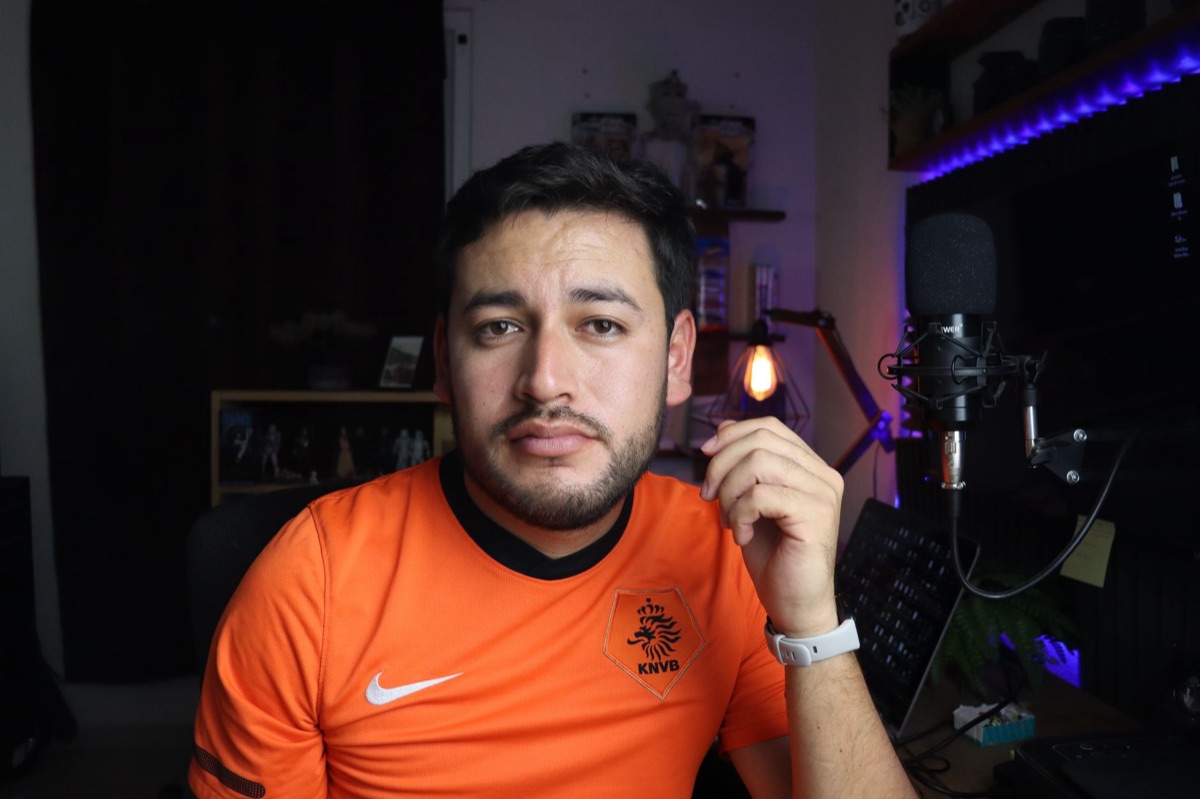
How do you manage the business of influence?
A professional studio setup stands in a quiet room, featuring high-end cameras, lighting rigs, and acoustic panels. What started in a bedroom hobby has transformed into a sophisticated media business.
As creators scale, they transition from hobbyists to professional media entities. This shift necessitates a move toward structured monetization. One of the most common methods is through sponsored segments within regular content.
These are typically 60 to 90-second brand mentions within a longer video on the creator's own topic. These segments deliver reach and brand association while fitting naturally into existing content formats.
The business of influence involves several moving parts: * Direct Sponsorships: High-value partnerships with global brands. * Merchandising: Turning the brand into physical products. * Diversified Platforms: Expanding into second channels, podcasts, or even traditional media.
* Talent Management: Hiring editors, producers, and managers to handle the operational load.
This professionalization allows creators to reinvest in higher production quality, which in turn attracts more viewers, creating a powerful cycle of growth.
However, it also brings the risk of "selling out." The most successful creators manage this by ensuring that any brand partnership aligns with their established persona and audience values.
As of 2025, creators are diversifying income streams to ensure long-term stability. Sponsorship deals often range from $500 to $5,000 per post depending on reach. Subscription models can provide a steady $1,000~3,000 monthly revenue.
Scaling often requires investing 20~30 hours of work per week into production.
When I tried this, I realized that managing a small, high-paying sponsorship was much more sustainable than chasing dozens of low-value deals. I would definitely prioritize quality over sheer volume.

Comments 0