Kings League to Baller League: 14 Day Expansion How
"In order to attract a younger audience, football must create shorter and more entertaining content."
This transition from traditional ninety-minute matches to rapid-fire competition suggests a major shift in global sports consumption.
Key takeaways include the rise of specialized league formats, the influence of digital-first content on regional expansions, and the emergence of indoor, fast-paced competitive structures.
How can I watch this lightning-fast match on my phone?
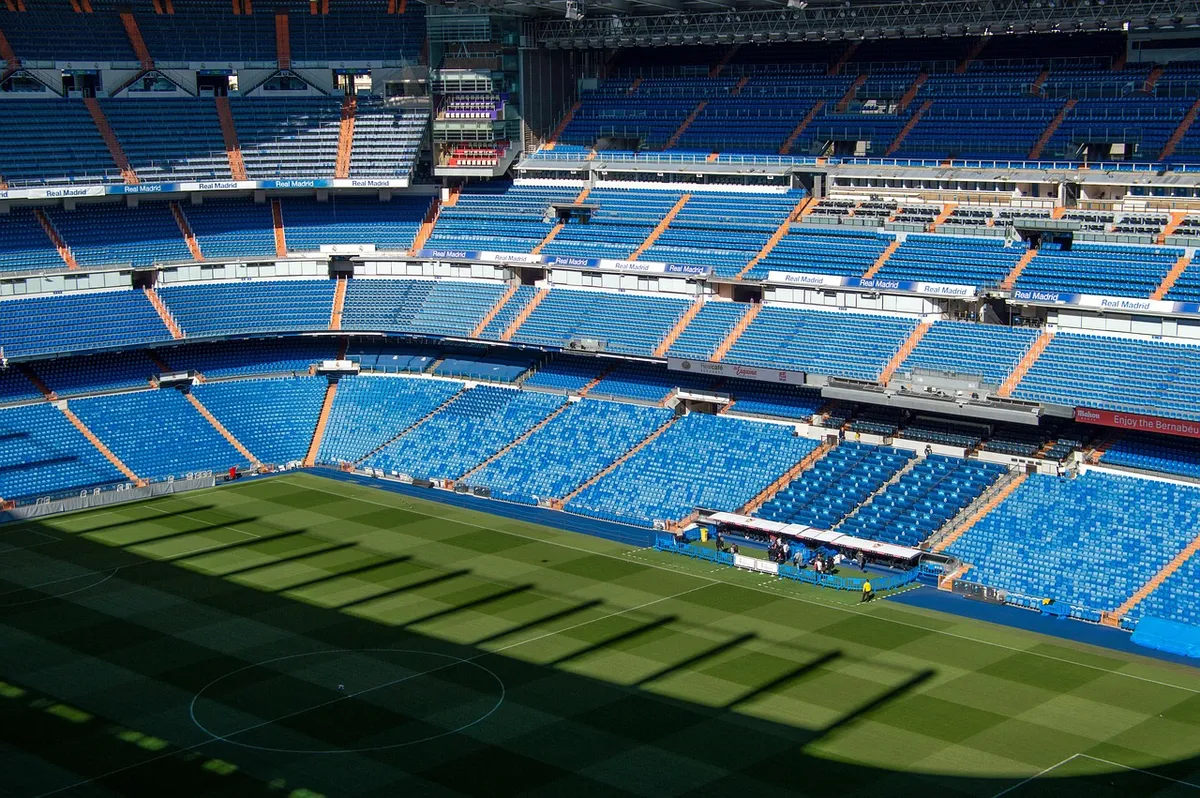
At midnight, I tap my glowing phone screen in my bedroom, feeling the rush of excitement as the kings compete in a lightning-fast match. While the original format focused on a seven-a-side structure, newer iterations are adapting to specific regional preferences for indoor and smaller-sided play.
This foundation provided a template for various high-energy competitions that emphasize engagement over traditional length.
Created by entrepreneur Felix Starck, it features backing from professional footballers Mats Hummels and Lukas Podolski.
This professional endorsement helps bridge the gap between traditional stardom and new-age entertainment.
The expansion of these formats shows how a successful soccer ent trend can cross borders. The influence of the Spanish model is visible in how new leagues structure their competitive seasons.
Why is Spanish soccer so successful and growing globally? Kings League to Baller League An executive sits in a boardroom, looking at a map of potential new markets in North America. The high level of digital connectivity in certain regions has provided the perfect playground for these experimental leagues.
According to World Bank data, Spain recorded a share of internet users of 95.8% in 2024. This massive digital presence supports the ability to broadcast matches via streaming platforms to a massive, tech-savvy audience.
On 14 June 2025, during a briefing before the 2025 Kings World Cup Clubs final, Kings League CEO Djamel Agaoua announced that the Kings League would expand into the United States, initially sometime towards the end of 2025 or the beginning of 2026.
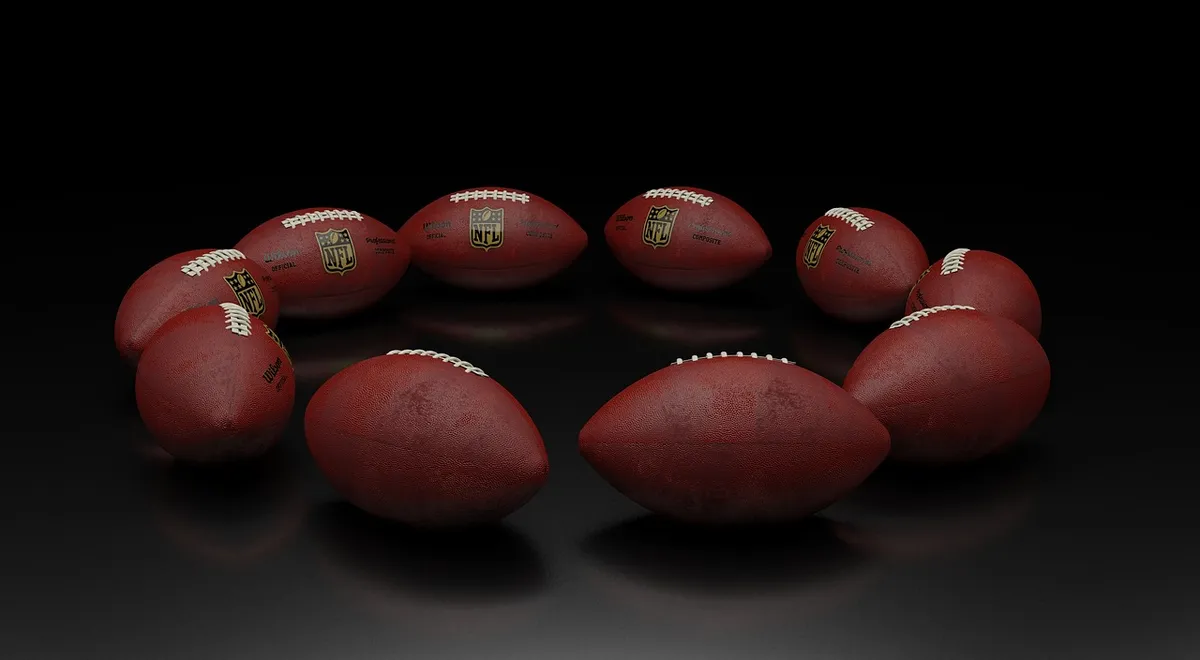
This move highlights how the Baller League model and similar concepts are eyeing global dominance.
The existing momentum of the Spain soccer success provides a blueprint for digital-first sports. The expansion strategy relies on moving into markets where social media engagement is already high.
How does the Baller League model influence new sports viewing?
A fan in a dark room watches a live-streamed match, cheering as a goal is scored in a small, brightly lit arena. The Baller League model demonstrates how smaller-scale, indoor environments can create an intense atmosphere suitable for short-form content.
The Baller League model influences new sports viewing through its rapid-fire format.
The tournament structure often involves a play-off system to decide champions. In the Baller League, the top four teams qualify for the Final Four in the UK and Germany or the Finals in the USA.
The new sports viewing habits are built around these condensed timelines. By keeping games short, organizers ensure that the intensity remains high from the opening whistle to the final second.
This specific focus on brevity and accessibility is a core component of the sports content shift. It targets viewers who prefer quick, impactful matches over long-duration traditional games.
What are the specific rules of these new formats?
A referee checks a stopwatch, preparing for a match that will be over in much less time than a standard professional game. The rules are designed to keep the pace unrelenting and the action constant.
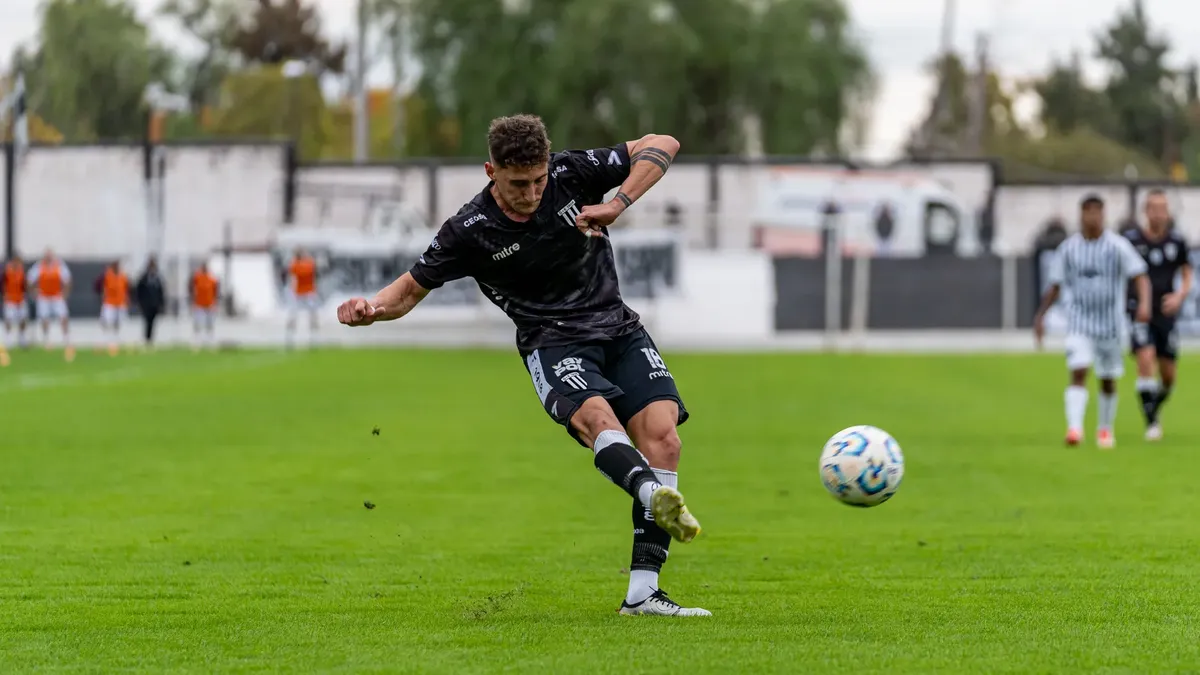
The structure of the matches is intentionally different from standard football. For example, matches in some formats last 30 minutes, divided into two 15-minute halves.
The different formats allow for various competitive structures:
- Apply the specific player count required for the league (such as seven-a-side or six-a-side). 2. Manage the condensed match timing to maintain high intensity. 3. Execute the play-off stages, such as the Final Four or Finals, to determine the champion.
A final check of the rules ensures that the unique elements of the league, such as specific substitution rules or specialized field sizes, are respected. I noticed during a recent match that the speed of play was significantly higher due to these constraints.
The limitation of these formats is that they are designed for specific entertainment purposes rather than standard professional league play.
How did the 2025 Kings World Cup Nations change the format?
A player from one country shakes hands with a player from another, both wearing jerseys representing their respective nations. This tournament shifted the focus from clubs to national representation within a specialized format.
The 2025 Kings World Cup Nations was an international seven-a-side football tournament based on the Kings League format created by Gerard Piqué and Ibai Llanos. This event moved away from the club-based structure used in previous iterations.

Unlike the Kings World Cup launched in 2024, which is a club competition, this tournament saw players from the different versions of the Kings League forming teams to represent their respective nations, similar to the FIFA's World Cup.
This allowed for a unique blend of existing league players and national pride.
This shift shows how the Kings League influence can be applied to various competitive scales. It allows players to compete under a national banner while maintaining the unique league rules.
- How can I watch this lightning-fast match on my phone?
- Why is Spanish soccer so successful and growing globally?
- How does the Baller League model influence new sports viewing?
The subject here is Kings League to Baller League.
This part also covers German Soccer Trend.
Related






Comments 0