Recipes guide: Elevate cooking skills with 106,000 tips
"The secret to a perfect dish lies not just in the ingredients, but in the mastery of technique passed down through generations of culinary experts."
Authentic Spanish recipes require a deep understanding of traditional methods and high-quality ingredients to truly capture the essence of the Mediterranean. This guide explores the professional techniques used by creators to achieve consistent results.
You will learn about the scale of digital culinary influence, the competitive standards of professional cooking, and the specific elements that define successful recipe development.
How do digital creators master authentic Spanish recipes?
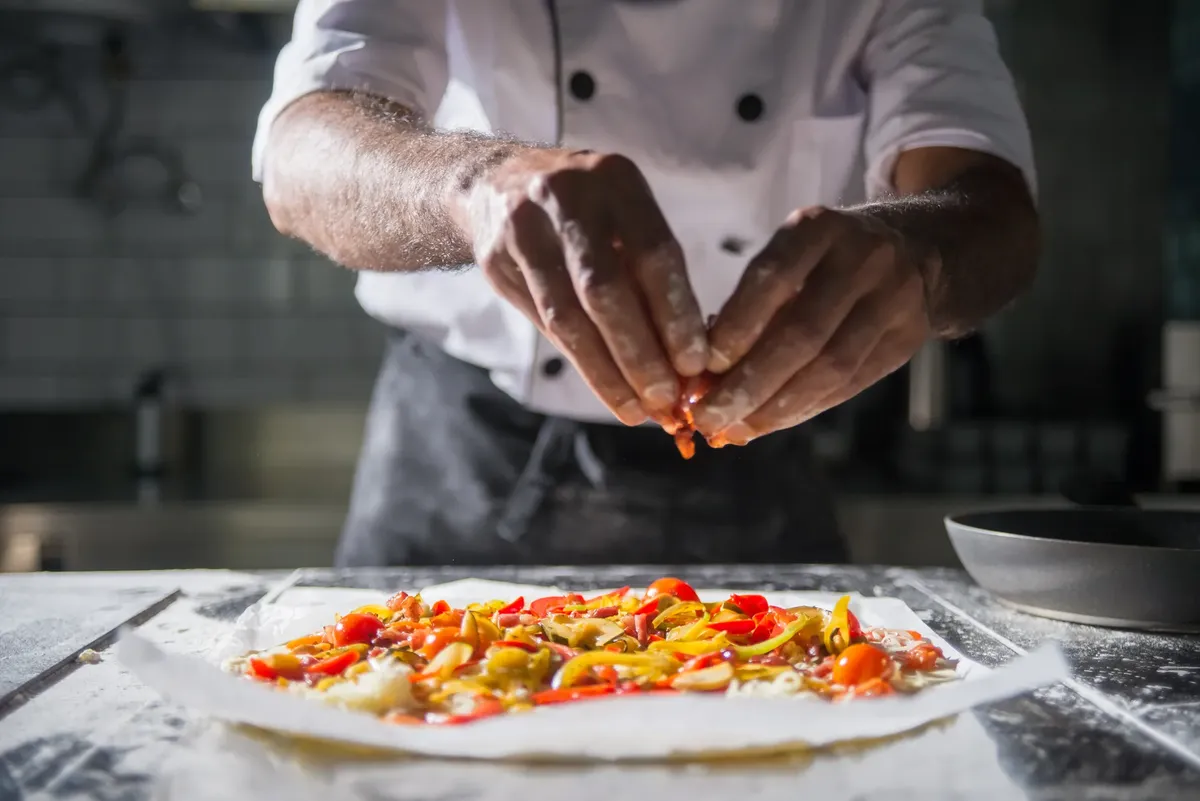
A creator stands in a sunlit kitchen, carefully slicing fresh vegetables while a camera captures the rhythmic motion of the knife. Mastering authentic Spanish recipes involves balancing local tradition with modern presentation to engage a global audience.
The official channel "Cooking from Spain" has reached 106,000 subscribers.
According to YouTube Data API, the official channel "Cooking from Spain" has reached 106,000 subscribers and accumulated 26,148,968 total views across 136 videos. This scale shows how digital platforms allow creators to share specific culinary traditions with millions of viewers worldwide.
These creators use these platforms to demonstrate how to handle traditional ingredients with precision.
However, the effectiveness of online tutorials can be limited when ingredients vary by region. I find that the first step in this process is the most crucial.
What are the professional standards for culinary success?
A chef carefully plates a dish, ensuring every drop of sauce is perfectly placed under the studio lights. Real cooking techniques often stem from rigorous training and high-stakes competitive environments that test a cook's ability to perform under pressure.
In professional settings, such as the Spanish version of MasterChef, the stakes are incredibly high for aspiring chefs. The winner was given 100,000 euros, the opportunity to publish his own book of recipes, and the chance to attend the esteemed culinary school Le Cordon Bleu.
Such achievements highlight the intersection of competitive skill and academic training in the culinary world.
Success is not guaranteed if the kitchen environment lacks proper organization. In this sequence, the second standard is the most demanding.
How to develop pro tapas recipes through practice?
A hand reaches for a small ceramic plate, moving it carefully across a wooden table filled with various small bites. Developing pro tapas recipes requires a focus on flavor concentration and the ability to create small, impactful dishes.
- Select high-quality, seasonal ingredients that reflect the regional identity of Spain. 2. Master the balance of acidity, salt, and fat to ensure each small portion is flavorful. much like the transition from simple home cooking to professional plating. 3. Practice heat control to achieve the perfect texture in fried or sautéed components. 4. Perform a final taste check to ensure the seasoning is consistent across all small plates.
I once attempted to recreate a complex seafood dish using these exact steps, focusing heavily on the heat control phase.
The results may differ when practicing with low-quality ingredients. I believe the second step in this development is the most vital.
What are the secret dish methods for flavor depth?
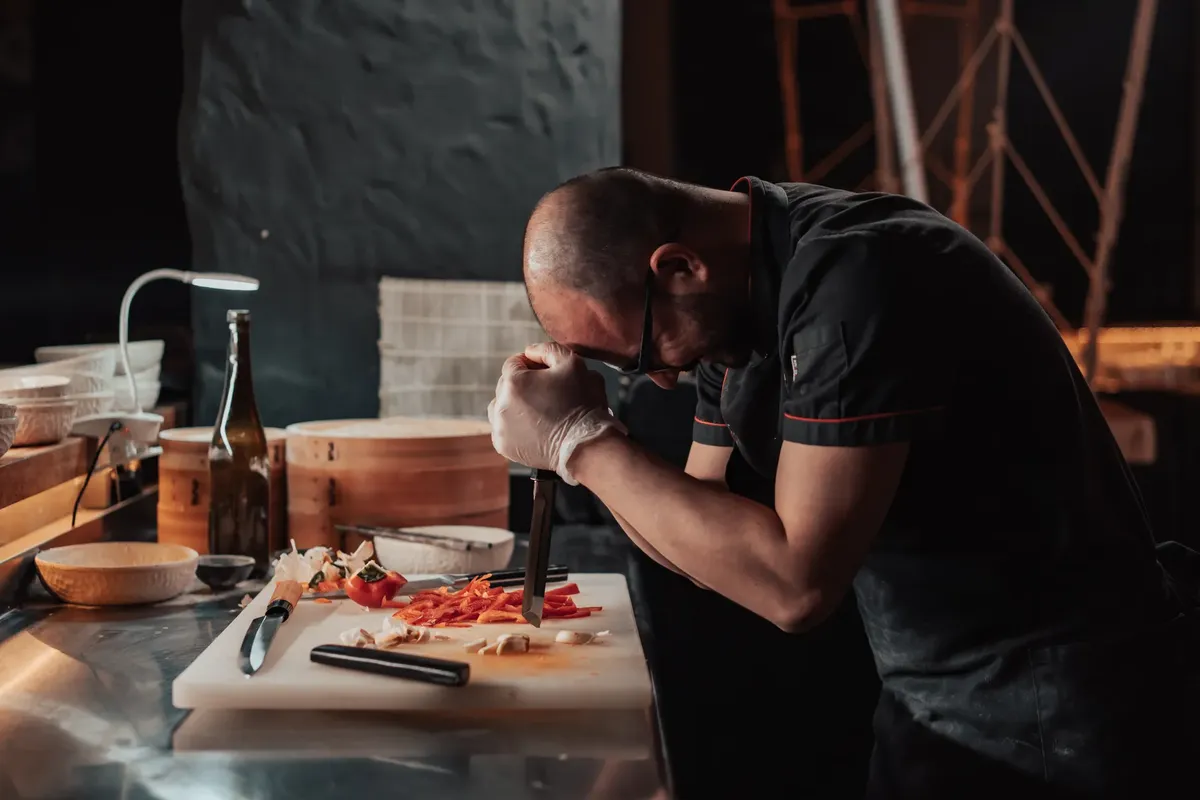
A heavy pan sits on a stovetop, sizzling as ingredients undergo a slow transformation through heat. Many secret dish methods involve slow cooking or specific layering of aromatics to build a complex flavor profile without overcomplicating the plate.
Authentic ingredient use is the foundation of these methods, ensuring that the natural flavors of the Mediterranean are highlighted rather than masked. By understanding how heat interacts with oils and spices, creators can replicate restaurant-quality results at home.
This mastery allows for the creation of depth that keeps viewers returning for more.
These methods are not applicable to quick-service cooking where speed is the only priority. I note that the second method is the most complex.
How to use an expert cooking guide to improve skills?
A student takes notes in a notebook while watching a demonstration of a classic technique. An expert cooking guide provides the structured knowledge necessary to move from basic preparation to advanced culinary artistry.
Mastering Spanish flavors is a journey of understanding the soul of the cuisine through structured learning. It is not just about following a list of ingredients but understanding the "why" behind every step.
This approach helps enthusiasts transition from casual cooks to knowledgeable practitioners of the craft.
| Aspect | Competition Reward | Educational Opportunity |
|---|---|---|
| Professional Milestone | 100,000 euros | Le Cordon Bleu attendance |
The ability to scale a recipe from a single plate to a large-scale production is a common challenge for those following these professional paths.
A guide's advice might not apply to unconventional cooking styles. In this process, the second step is the most significant.
- How do digital creators master authentic Spanish recipes?
- What are the professional standards for culinary success?
- How to develop pro tapas recipes through practice?
This part also covers Traditional cooking secrets.
Mastering Spanish flavors
Related
What is the role of technique in achieving a secret perfect dish?
The secret to a perfect dish relies on the execution of advanced techniques, which is a skill passed down through generations of culinary experts. These methods ensure that the ingredients achieve their maximum potential flavor profile.
Consistent application of these techniques transforms simple assembly into culinary art.
The mastery of technique is crucial because it dictates how the raw materials behave under thermal or chemical stress. This echoes the need for precision seen in the high-stakes environment of professional cooking. A slight variance in execution can drastically alter the intended outcome of a dish.
Technique may not compensate for poor-quality base ingredients. I observe that the second technique is the most intricate.
How does practice elevate a dish to a secret perfect level?
Practice allows a cook to internalize the necessary movements and timings required for flawless execution. This internalization moves the process from conscious effort to intuitive action, which is vital in a high-pressure setting.
Aspiring chefs must repeatedly apply the rigorous standards seen in competitions to achieve this intuitive level of control. This constant refinement is what separates competent cooking from truly masterful culinary performance. The pursuit of the secret perfect dish is inherently iterative.



Comments 0